
English
English
Views: 0 Author: Site Editor Publish Time: 2025-06-18 Origin: Site


Creating a pristine, evergreen lawn is a dream for many homeowners, but the upkeep of natural grass can be both time-consuming and costly. Watering, mowing, fertilizing—these tasks demand constant attention. Enter artificial lawn turf, a game-changing solution that offers the lush appearance of real grass without the hassle. Whether you're looking to enhance your backyard, revamp a commercial space, or install a durable surface for sports, understanding how to properly install artificial turf is crucial. This comprehensive guide delves into the meticulous process of installing artificial lawn turf, providing detailed insights and practical tips to ensure a successful project. From initial planning to the finishing touches, we'll explore every step to help you achieve a flawless installation of your new artificial turf.
A successful installation starts with thorough planning. Begin by assessing the area where the turf will be installed. Measure the dimensions meticulously to determine the amount of turf and materials needed. This helps avoid unnecessary waste and ensures cost-effectiveness. Consider the standard widths of turf rolls—usually 13 to 15 feet—to plan for seams and reduce material overlap. Evaluate the site's drainage, especially if water tends to pool after rainfall. Adequate drainage is crucial to prevent water accumulation, which can damage the turf over time. If installing on a sports field or a court, such as a padel court, selecting the appropriate court lawn turf designed for high performance is essential.
The base layer is the foundation of your artificial turf installation. A properly prepared base ensures stability, excellent drainage, and extends the lifespan of your turf. The preparation method varies depending on whether you're installing over soil or concrete, but the goal remains the same: create a smooth, firm surface.
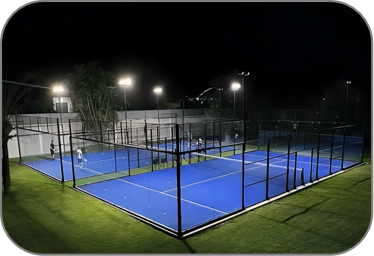
Installing artificial grass requires careful surface preparation, whether you're working with soil or concrete, including areas such as sports courts. Begin by carefully cleaning and preparing the surface inside of the court or designated installation area. For soil installations, clear the area of all vegetation—remove grass, weeds, and debris using a shovel or sod cutter. Apply a non-toxic weed killer to prevent future growth. Excavate the soil to a depth of 3 to 4 inches to make room for the base layer. Add a 2 to 3-inch layer of 3/4-inch minus crushed rock or gravel to support drainage and stability. Spread the aggregate evenly, lightly moisten, and compact it with a plate compactor or hand tamper until the surface is firm and level. For extra protection against weeds, install a geotextile weed barrier over the compacted base, overlapping seams by at least 6 inches and securing it with landscape staples or U-pins.
For concrete surfaces, including patios, rooftops, and courts, thoroughly clean the surface—remove dust, debris, and loose materials that could affect adhesion. Inspect for cracks or uneven spots; fill small cracks with concrete filler and use a self-leveling compound where needed to ensure smoothness. While turf can be installed directly on concrete, adding a foam underlay or shock pad is highly recommended to enhance drainage, provide cushioning, and improve comfort underfoot—especially for play areas or sports courts. Cut the pad to fit precisely and secure it with outdoor-grade adhesive, following manufacturer instructions. Whether over soil or concrete, proper cleaning and thorough preparation of the surface are essential for a long-lasting and professional-quality artificial grass installation.
Once the base is prepared, it's time to lay out the artificial turf. Unroll the turf carefully over the area, ensuring that the grass fibers all face the same direction for a consistent and natural look. After unrolling, let the turf rest and relax in the sun for at least an hour to allow the grass blades to open up and settle into their natural position. This resting period helps the turf become more pliable, reduces wrinkles, and makes it easier to work with during installation.
Position the turf so that seams fall in less noticeable areas, ideally away from main sightlines and high-traffic zones. When using multiple rolls, align them with a slight overlap, which allows for precise trimming and better seam integration. Take your time to adjust the turf, ensuring it lays flat with no bunching, creasing, or uneven areas. Always follow the manufacturer's installation instructions closely, especially when trimming, securing edges, or joining seams, to ensure a professional-quality finish and maintain product warranty.
Seaming is a critical step that requires precision to ensure a seamless appearance. Begin by trimming the factory edges of the turf rolls. Use a sharp utility knife to cut along the rows of stitching, removing any excess backing material. This allows the two pieces to fit together snugly without gaps.
Lay the turf pieces adjacent to each other, making sure the blades are aligned and facing the same direction. Fold back the edges of the turf approximately 6 inches to expose the base. Place seaming tape along the center line where the two pieces meet, with the adhesive side facing up. Apply specialized turf adhesive evenly along the tape, following the manufacturer's guidelines.
Carefully lay the turf edges back onto the adhesive-coated tape, pressing down firmly to secure the bond. Use a carpet roller or weighted object to apply even pressure along the seam, ensuring proper adhesion. Allow the adhesive to cure as per the recommended time before proceeding to the next steps.
After the turf is laid and seams are secured, trim the excess material around the perimeter. Use a sharp utility knife for clean, precise cuts. Follow the contours of your landscape, whether straight edges along walkways or curves around garden beds. When cutting against hard surfaces like walls or edging, ensure a slight gap (no more than 1/4 inch) to allow for expansion without visible gaps. Take your time with this step; accurate trimming contributes significantly to the overall professional appearance of the installation.
When installing over concrete or hard surfaces, adhesive is typically used to secure the turf. Apply outdoor-grade adhesive around the perimeter and at seams. Press the turf firmly into the adhesive to ensure a strong bond. Always follow safety guidelines when using adhesives, and allow adequate curing time before proceeding.
Infill is an essential component that adds weight, supports the turf fibers, and enhances the overall feel and performance. Common infill materials include silica sand and crumb rubber. Choose an infill appropriate for your turf type and intended use. For residential lawns, silica sand is often preferred due to its natural look and feel.
In the infill process, silica sand is the most commonly used material. It features rounded grains with no sharp edges, making it safe and effective for synthetic turf applications. The recommended particle size ranges from 0.5 to 0.8 millimeters, which helps the sand settle well between the grass fibers and support the turf structure.
Begin by evenly spreading the silica sand across the turf surface using a drop spreader. Make sure to distribute the sand in thin, consistent layers. After each pass, use a stiff-bristled broom or power brush to work the sand deep into the turf fibers, brushing against the grain to help the blades stand upright and allow the infill to reach the base. This ensures the sand fills the space between the fibers rather than sitting on top, providing stability, cushioning, and proper drainage.
This step not only improves the aesthetic appeal but also enhances the turf's durability. Properly infilled and brushed turf resists matting and maintains its resilience underfoot, providing a more natural feel akin to real grass.
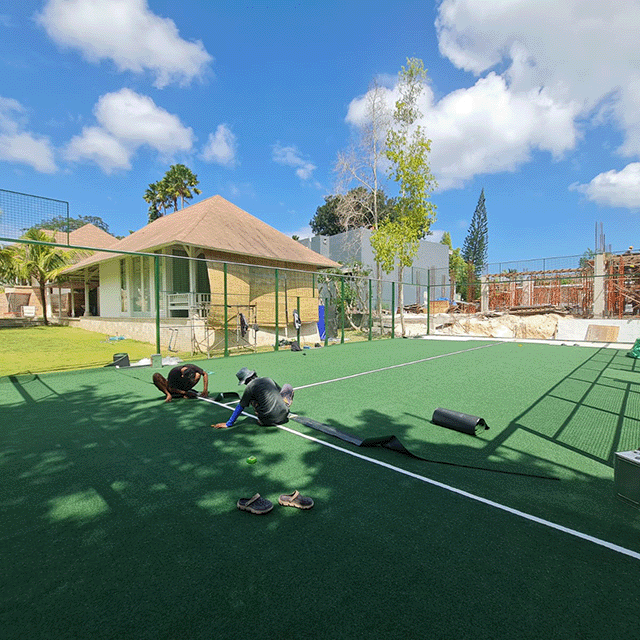
Maintaining your artificial lawn turf ensures it remains attractive and functional for years to come. Regular cleaning involves removing debris such as leaves, twigs, and dirt. Use a leaf blower or a garden vacuum to clear the surface. For smaller areas or spots inaccessible by machinery, a simple garden rake works effectively. Periodically brushing the turf rejuvenates the fibers, keeping them upright. Use a stiff-bristled broom to brush against the grain. This not only enhances the appearance but also redistributes infill that may have shifted, ensuring even support across the surface.
In areas with high foot traffic or heavy use, more frequent brushing may be necessary. Regular maintenance prevents compaction of the infill and matting of the fibers, which can affect the turf's performance and longevity.
Despite its durability, artificial turf may occasionally require repairs due to accidental damage or excessive wear. Small cuts or tears can often be fixed using turf adhesive and a patch of leftover turf. Clean the damaged area, apply adhesive to the backing, and press the patch into place, ensuring the fibers align with the existing turf.
For larger areas or more significant damage, it may be necessary to replace an entire section. This involves cutting out the damaged area and installing a new piece following the same seaming process used during installation. Ensure the replacement turf matches in color and fiber direction to maintain a consistent appearance.
Regular inspections help identify potential issues early, allowing for prompt repairs. Maintaining your artificial lawn turf properly extends its lifespan and keeps it looking its best throughout the years.
Installing artificial lawn turf is a rewarding project that offers long-term benefits in terms of aesthetics, maintenance, and sustainability. By following a systematic approach—from careful planning and base preparation to precise installation and regular upkeep—you can achieve a professional-quality result. Whether enhancing a residential yard, creating a safe play area, or designing a sports facility with specialized artificial court lawn turf, the key lies in attention to detail at each step. Embracing artificial turf not only reduces water consumption and maintenance efforts but also provides a consistently beautiful landscape that withstands the test of time.
1. Can I install artificial turf myself, or should I hire a professional?
Yes, installing artificial turf as a DIY project is feasible if you have the time and resources. This guide provides detailed steps to assist you. However, hiring a professional ensures expertise, especially for larger or more complex installations.
2. How do I choose the right artificial turf for my needs?
Consider the intended use of the area. For residential lawns, select turf that mimics natural grass with soft fibers. For sports surfaces, such as court lawn turf, choose products designed for durability and performance.
3. What is the lifespan of artificial lawn turf?
High-quality artificial turf can last between 15 to 20 years, depending on usage and maintenance. Regular care, such as cleaning and brushing, extends its lifespan and keeps it looking new.
4. How does artificial turf handle drainage?
Artificial turf is designed with a permeable backing that allows water to drain through to the base layer. Proper base preparation, including a well-constructed aggregate layer, ensures efficient drainage and prevents pooling.
5. Is artificial turf safe for children and pets?
Yes, artificial turf is safe for both children and pets. It's a durable surface that reduces allergens and eliminates the need for chemicals like fertilizers and pesticides. For pet areas, regular cleaning helps maintain hygiene.
6. Can artificial turf be installed on slopes or uneven terrain?
Yes, artificial turf can be installed on slopes. Proper base preparation is essential to ensure the turf conforms to the terrain without wrinkling or shifting. Securing the turf adequately prevents movement over time.
7. How do weather conditions affect artificial turf installation?
Installation is best performed in dry weather with moderate temperatures. Extreme heat can make the turf and adhesives difficult to handle, while rain can interfere with base preparation and adhesive curing. Plan installation during favorable weather conditions for optimal results.

