
English
English
Views: 196 Author: Site Editor Publish Time: 2025-12-18 Origin: Site
In recent years, padel has become one of the fastest-growing sports worldwide. As its popularity increases, so does the demand for accessible padel courts—especially in residential settings where space is often limited. Designing a compact padel court for small gardens offers an exciting challenge for homeowners looking to maximize their outdoor spaces while integrating a fun, functional sport. This article delves into the key considerations, challenges, and strategies for successfully designing a space-efficient padel court that enhances both gameplay and garden aesthetics. We’ll also explore how outdoor panoramic padel courts are a growing trend, particularly for those who want a modern, stylish court in limited spaces.
Padel is a game that combines elements of tennis and squash and is known for being fun, social, and less physically demanding than some other racquet sports. While traditional padel courts require significant space, a growing number of enthusiasts are looking to install compact versions in their backyards, especially in urban environments where outdoor space is often at a premium.
One of the main reasons small garden padel courts are becoming so popular is their ability to transform even the smallest outdoor area into a hub for recreation and socializing. Unlike conventional sports courts, padel courts can be scaled down in size without sacrificing too much in terms of playability. When designed thoughtfully, a compact padel court can offer both a satisfying sporting experience and a visually pleasing addition to a garden.
Additionally, the idea of an outdoor panoramic padel court is gaining momentum, as it allows players to enjoy the game surrounded by unobstructed views of their garden or landscape. This integration of sport with nature enhances the appeal of smaller-scale courts, offering both functionality and visual appeal.
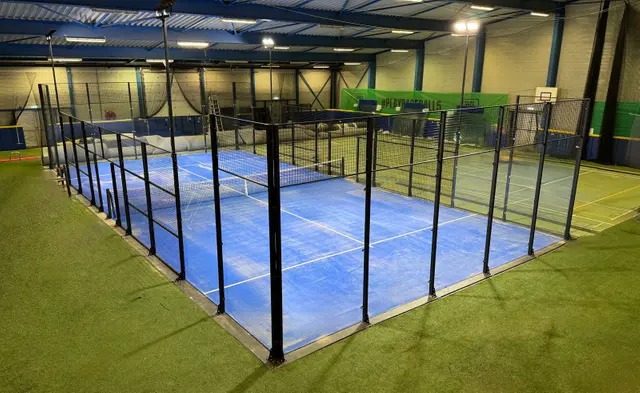
Designing a compact padel court requires careful attention to various factors to ensure the space remains functional while fitting within a limited garden area. Here are two essential design elements to consider:
Given the typically smaller size of residential gardens, space efficiency is a critical aspect of designing a compact padel court. Standard padel courts are generally 20x10 meters, which may be impractical for smaller gardens. However, with careful planning, a court can be scaled down to fit within these constraints.
To optimize space:
Consider modular designs that allow for customization based on the specific dimensions of the garden.
Use clever wall placements to minimize the impact on surrounding garden space while maximizing the available area for gameplay.
Incorporate multi-functional features, such as incorporating seating areas or small landscaping features around the court.
A compact design doesn’t just mean reducing size but ensuring the space is used in the most functional way possible, creating a harmonious environment.
For any outdoor court, the materials used will affect both its longevity and aesthetic appeal. When building a compact padel court, choosing high-quality, durable materials is paramount.
Key materials include:
Artificial turf: For a smooth, low-maintenance surface that simulates traditional grass courts.
Glass panels: For walls that create an outdoor panoramic padel court effect, offering clear visibility of the surrounding landscape while maintaining the court’s functionality.
Steel or aluminum framing: To keep the structure lightweight but robust, essential for small-space designs.
By selecting the right materials, homeowners can ensure their compact padel court is not only durable but also blends seamlessly with the garden's design.
The concept of an outdoor panoramic padel court revolves around creating an immersive experience where the court doesn’t just stand alone as a functional structure but also enhances the view and feel of the surrounding garden. In small gardens, this means using design elements that open up the space visually.
Several design strategies can help achieve this:
Glass Walls: These allow players to enjoy panoramic views while playing, creating a sense of openness.
Reflective Surfaces: Adding mirrored or reflective materials around the court can visually expand the area, giving the impression of more space than there is.
Elevated Court Design: In extremely limited spaces, an elevated court can allow for more creative use of the ground beneath, such as incorporating seating or storage areas.
Ultimately, integrating an outdoor panoramic element transforms a compact padel court into more than just a place to play; it becomes an aesthetically pleasing part of the garden, enhancing the overall landscape.
When designing a compact padel court, certain features are necessary to ensure the court is both functional and safe while also enhancing the player’s experience.
While traditional padel courts are 20 meters long and 10 meters wide, a smaller version can be scaled down to approximately 12 meters in length and 6 meters in width. The layout of the court should still incorporate:
Side walls: These allow the ball to bounce back into play, which is a unique feature of padel.
Back walls: In a small garden, these can be designed with glass panels to maintain an open feel.
Non-slip surfaces: To ensure safety while playing, particularly in wet conditions.
The net system should be designed to be both functional and easy to maintain. Given the compact space, the net should be adjustable, allowing for different types of games. The wall systems should be lightweight yet sturdy. Incorporating glass walls or transparent materials creates an open feel, especially if you’re creating an outdoor panoramic padel court.
Designing a padel court for a small garden presents several challenges that need to be addressed creatively.
Space constraints often lead to compromises in design. However, using cornered layouts or placing the court in a less conventional part of the garden can make the most of available space. Additionally, opting for compact net systems and slimmer walls can also help maximize the available area.
A small garden needs to balance both the functionality of the court and the visual appeal of the space. The design should be integrated into the garden’s overall aesthetic, using materials that complement the surrounding plants, landscaping, and structures.
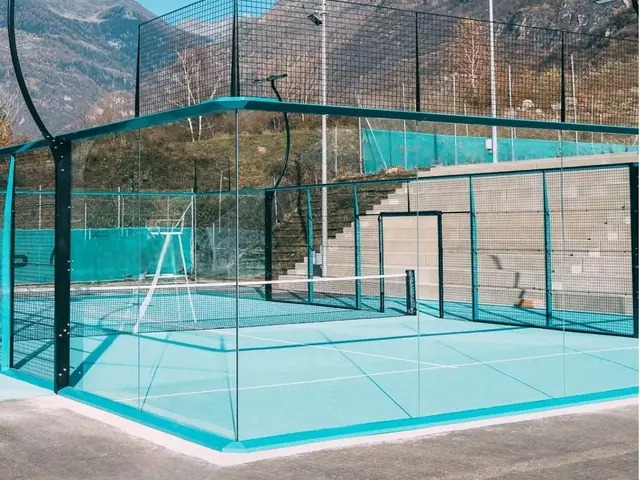
Landscaping is an integral part of the overall design, particularly for small gardens. A well-designed landscape surrounding the compact padel court can make the court feel more integrated into the garden.
Consider the following:
Natural barriers: Low hedges or plants that define the court's boundary while maintaining an open feel.
Lighting: Proper lighting can extend the playing hours and add ambiance to the space. This can also enhance the panoramic experience during evening play.
Seating Areas: Including a few seating areas around the court allows players and spectators to enjoy the surroundings while not obstructing the play area.
As the popularity of padel continues to rise, there are several emerging trends that may influence the design of compact padel courts:
Sustainable Materials: More homeowners are opting for eco-friendly, sustainable materials in their courts.
Smart Technology: Future courts may include interactive features, such as digital scoreboards, sensors, and performance tracking for players.
Modular Designs: Flexibility in court design is a growing trend, allowing users to adapt the space according to their needs.
Designing a compact padel court for a small garden is a challenging yet rewarding endeavor. With the right approach, homeowners can integrate a functional, aesthetically pleasing court into even the most limited spaces. By carefully considering elements like space efficiency, materials, and the panoramic experience, it’s possible to create a court that not only serves as a place for recreation but also enhances the overall beauty of the garden.
As trends in outdoor sports design continue to evolve, the future looks bright for outdoor panoramic padel courts, especially in residential settings where space is often at a premium.
1. Can I fit a full-size padel court in a small garden?
While a traditional padel court requires a large area, you can design a scaled-down version to fit in smaller spaces. Compact versions are around 12x6 meters, which can work for smaller gardens.
2. What materials are best for a small padel court?
For a compact court, consider using artificial turf for the surface, glass panels for walls, and steel or aluminum framing for durability and aesthetics.
3. How can I make a compact padel court look stylish in my garden?
Incorporating outdoor panoramic designs, smart landscaping, and using modern materials such as glass walls or reflective surfaces can make the court visually appealing while saving space.
4. What are the benefits of an outdoor panoramic padel court?
An outdoor panoramic padel court offers the advantage of integrating the court into the natural surroundings, providing an immersive and aesthetically pleasing experience for players.
5. Is it difficult to maintain a small padel court?
Maintenance is relatively straightforward. Regular cleaning of the surface, checking the net system, and ensuring the walls are free of damage will keep your compact padel court in top shape.


