English
English
Views: 0 Author: Site Editor Publish Time: 2026-07-15 Origin: Site
A padel court can look complete on the factory floor and still arrive with missing hardware, mismatched drawings, damaged glass, or paperwork that delays customs clearance. By the time those problems appear at the installation site, corrections are slower, more expensive, and harder to coordinate.
Before shipment, buyers need to verify more than appearance. The final review should confirm the approved court configuration, component quality and quantity, export packing, loading records, shipping documents, and installation files. These checks help ensure that the Padel Court leaving the factory is the same system the project team expects to receive.
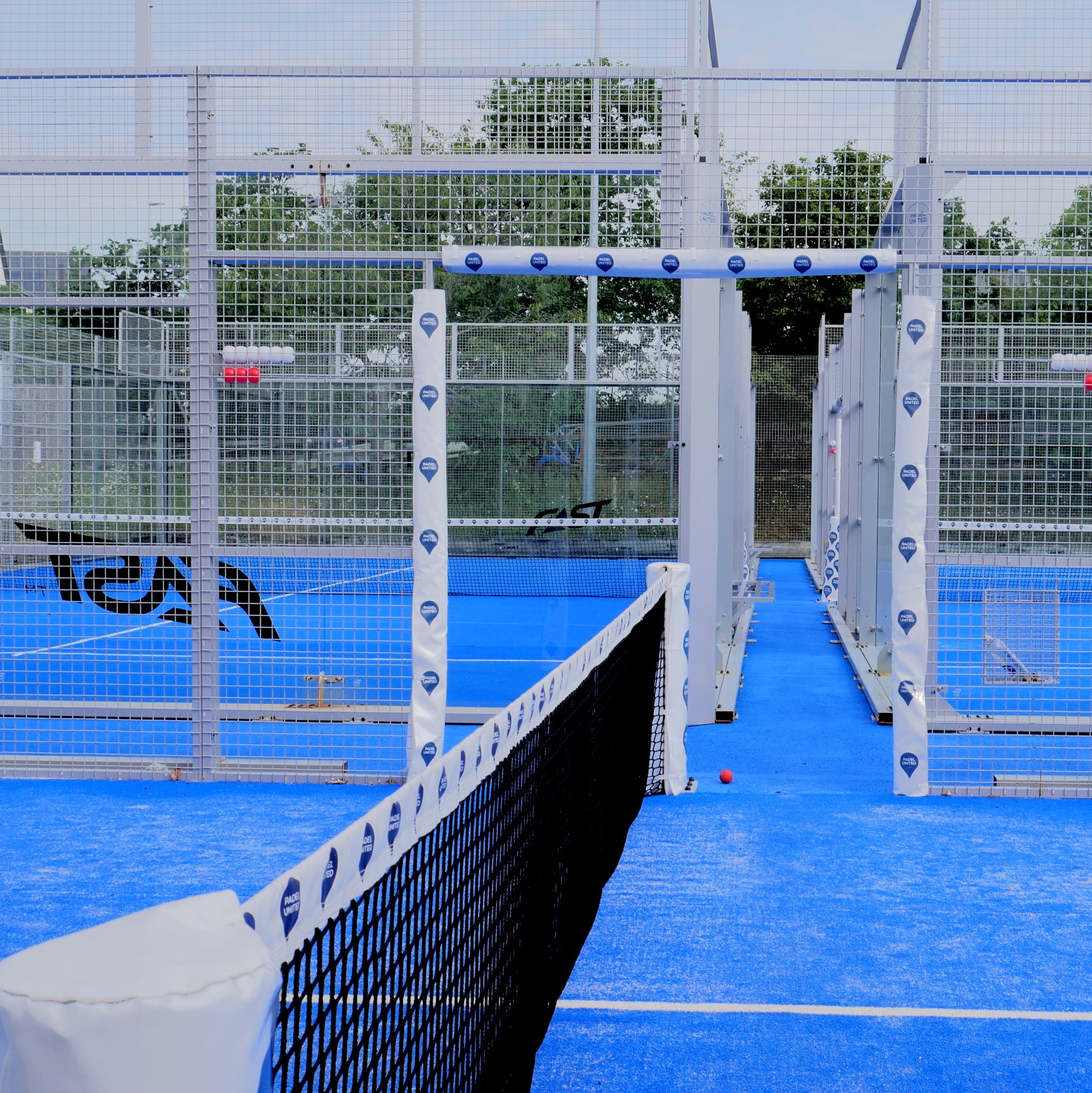
Begin by identifying the precise configuration being shipped. A general description such as “one Padel Court” is not enough because standard, panoramic, full panoramic, and mobile designs can use different frames, glass arrangements, base systems, and packing plans. YAHO SPORTS offers several 10 × 20 m formats, including standard, panoramic, super panoramic, and mobile versions.
The signed purchase order should state the model, quantity, intended indoor or outdoor use, and complete supply scope. Buyers must confirm whether the contract includes only the enclosure structure or a full package with tempered glass, turf, lights, net posts, hardware, installation accessories, and spare parts. Assumptions at this stage often become shortages at the job site.
Each included item should appear in an approved bill of materials. When several courts are purchased together, the supplier should show whether quantities are calculated per court or for the entire project. This distinction matters for small items such as gate hardware, net tensioners, light brackets, and fixing components.
Customization should be reviewed against objective references rather than informal messages. Structure and turf colors should match an approved code or signed sample, while logos must follow the final artwork, scale, orientation, and placement. Entrance mats, post protectors, glass options, light-post shapes, and branded accessories also need close-up photographs before they are covered.
Electrical details require the same discipline. Confirm the voltage, frequency, driver type, cable specification, plug or terminal arrangement, and local compliance requirements. A visually correct lighting system may still be unusable if its electrical configuration does not match the destination.
Item to Confirm | Approval Reference | Evidence Required | Hold Shipment When |
Court model and quantity | Purchase order | Model labels and counted sets | The version or quantity differs |
Dimensions and layout | Approved drawings | Measurement photographs | Key dimensions do not match |
Included components | Bill of materials | Itemized count | Parts or accessories are missing |
Colors and branding | Customization sheet | Close-up finished-product images | Color, logo, or placement is wrong |
Electrical configuration | Technical schedule | Labels and test results | Voltage or lighting details differ |
Structural inspection should start with the columns, beams, mesh panels, gates, brackets, bottom plates, and connecting pieces. Compare their dimensions and quantities with the approved technical schedule. Visible checks should cover distortion, misalignment, rough welds, sharp edges, incorrect holes, damaged threads, missing brackets, and coating defects.
Welds, cut edges, bolt holes, and metal-to-metal contact areas require particular attention. These points can be more vulnerable to coating damage, and a defect may become difficult to see once the components are wrapped or stacked. Any scratched or repaired surface should be photographed after corrective work is completed.
Count structural parts by complete court set rather than relying on gross weight. A shipment can meet its expected weight while still containing the wrong combination of beams or brackets. For first orders, modified systems, or a Custom Padel Court, a trial connection or partial factory assembly provides stronger evidence that holes, plates, and joints align as intended.
Mobile systems need a separate check of removable joints, support plates, and modular connections. Since the court depends on these parts rather than embedded anchors, one missing or incorrectly drilled component may stop the entire assembly. The inspection record should therefore identify each base-related item individually.
Every glass panel should be checked before it disappears inside reinforced packaging. The inspection should confirm quantity, dimensions, thickness, drilled-hole positions, edge finish, and permanent markings. Chips, deep scratches, edge damage, drilling cracks, and inconsistent hole spacing should be recorded as nonconformities.
Separate the panel count by type. Standard wall panels, gate-area panels, special-size pieces, and agreed spare panels should not be grouped under one total quantity. Clear identification reduces confusion during unloading and prevents installers from opening every crate to find one specific panel.
Glass markings and certificates must match the contractual requirements and the rules of the destination market. The YAHO SPORTS mobile model uses 12 mm tempered glass with drilled holes, but buyers should verify the specification of their actual order rather than applying one model’s requirements to every court.
Crate labels should make the glass traceable after packing. A buyer should be able to connect the crate number with the panel type, quantity, and court number shown on the packing list. Photographs of the panels before closing each crate provide useful evidence if concealed damage or a quantity dispute later arises.
Artificial turf needs more than a visual color check. Confirm the number and dimensions of rolls, product or batch identification, pile height, fiber construction, backing, seaming materials, and infill scope. Rolls intended for the same playing area should have a consistent appearance and come from the agreed production lot where possible.
The YAHO SPORTS mobile system uses PE curly monofilament turf with a 12 mm pile height and double-layer PP-and-grid backing. Its package also includes galvanized steel elements, tempered glass, and LED floodlights, illustrating why buyers need a component-by-component inspection rather than one general approval photograph.
Lighting equipment should be tested before packing. Check the quantity and ratings of floodlights, drivers, cables, connectors, mounting brackets, and control components. A representative functional test should confirm that the system powers on correctly and corresponds to the approved wattage, waterproof rating, voltage, and frequency.
Gates should open and close without binding. Hinges, handles, locks, and clearances must work with the completed frame, while nets and posts should include the correct tensioning pieces. Functional testing at the factory is usually simpler than correcting incompatible components during installation.
“Standard export packing” is too vague for a mixed Padel Court shipment. Glass, coated steel, turf, and electrical components face different transport risks and need separate protection methods. Packing specifications should be agreed before the materials are wrapped.
Glass crates need rigid external support, panel separation, edge protection, internal restraint, and clear fragile and orientation markings. Steel parts should be wrapped and separated to prevent abrasion during vibration, while sharp edges and loose hardware must never contact the glass. Turf rolls need protection from water, crushing, and pressure from heavier structural bundles.
Lights, drivers, cables, fasteners, and accessories should be packed in sealed, clearly labeled cartons. Package dimensions, net weight, and gross weight must be recorded before loading. Inadequate securing, overloaded containers, and incorrect cargo declarations can create serious transport risks, so the packing and securing plan should be documented.
Before loading, confirm the container type, quantity, weight distribution, stacking method, and cargo restraints. The empty container should be checked for floor damage, holes, water entry, dirty surfaces, defective doors, or other conditions that could affect the goods. Inspectors should photograph the container before the first package enters.
Loading evidence should show the position of glass crates, steel bundles, turf rolls, cartons, blocking, bracing, and fastening points. Final photographs must capture the closed load, container number, and seal. Quantity, markings, packing quality, document accuracy, and loading practices should all form part of the pre-shipment review.
A 40HQ container can accommodate four complete YAHO SPORTS mobile systems under the stated standard configuration. The buyer should still request a load calculation based on the final customized scope, package dimensions, accessories, and actual order quantity.
The commercial invoice, packing list, draft bill of lading, and supporting certificates should be checked as one document set. Buyer and seller names, consignee details, product descriptions, court quantity, package count, weights, shipping marks, country of origin, and container information must remain consistent. Even a simple difference in company spelling or package totals can create questions during customs clearance.
An export packing list normally identifies the contents and type of each package, together with quantities, marks, dimensions, and net and gross weights. Customs officers may use it to check the physical cargo, while the commercial invoice supports valuation and duty assessment. The information on both documents should therefore correspond.
Destination-specific requirements should be reviewed with the buyer’s customs broker or freight forwarder. Depending on the market and transaction, the shipment may require a certificate of origin, conformity documents, test reports, legalized paperwork, or pre-shipment inspection records. Requirements can vary by product, destination, and local import procedure.
The contract must also show the complete Incoterm, named place or port, and applicable rules version. Avoid vague phrases such as “FOB included” without identifying the port and excluded charges. Under Incoterms 2020, the named place or port helps determine delivery obligations, risk transfer, and cost allocation.
A formal punch list should record every missing, damaged, unfinished, or nonconforming item discovered during inspection. Each entry needs a description, photograph, responsible party, corrective action, and closure evidence. Verbal promises to repair or replace goods after dispatch should not be treated as completed corrections.
Warranty scope and claims procedures must also be confirmed before release. Buyers should know which components are covered, how replacement parts are requested, who provides technical assistance, and how quickly concealed transport damage must be reported. Evidence requirements may include photographs taken during container opening, package numbers, seal details, and inspection notes.
When the buyer cannot attend the factory, an independent pre-shipment inspection can verify quality, quantity, dimensions, workmanship, markings, packing, loading, and document accuracy against the contract. This option is particularly useful for first orders, high-value shipments, multi-court projects, and extensively customized systems.
The final shipment release should state the inspection date, approved documents, closed punch-list items, accepted deviations, package count, container number, seal number, and authorized approver. Dispatch should occur only after product quality, quantity, packing, documentation, and installation readiness have all been accepted in writing.
Shipment approval should be based on evidence, not on the assumption that finished production means the order is ready to leave. Buyers should confirm the final specification, component condition and quantity, export packing, shipping documents, and installation files before releasing a Padel Court. Yaho New Sports Co., Ltd. supplies padel court systems, including panoramic and portable configurations, with project-specific options that can be checked against approved drawings and packing records. A disciplined pre-shipment review helps reduce installation delays, replacement costs, and avoidable disputes after the container reaches its destination.
A: Confirm that the finished court matches the approved drawings, bill of materials, component quantities, customization details, packing plan, shipping documents, and installation requirements.
A: It should examine the steel structure, welds, coating, mesh, tempered glass, turf, lighting, gates, fasteners, accessories, labels, package quantities, and visible workmanship.
A: Verify each panel’s dimensions, thickness, drilled-hole positions, edge condition, markings, and quantity. Glass crates should provide separation, edge protection, rigid support, and internal restraint.
A: Buyers should compare the commercial invoice, packing list, bill of lading draft, certificates, shipping marks, package counts, weights, Incoterm, and consignee information.
A: The supplier should provide final drawings, component identification, assembly instructions, foundation details, glass and turf guidance, electrical diagrams, required tools, and local contractor responsibilities.
A: Count components against the final bill of materials, label hardware by court or installation stage, record shortages on a punch list, and approve shipment only after correction.